

Why Seasonal Menus Need Digital Displays to Succeed
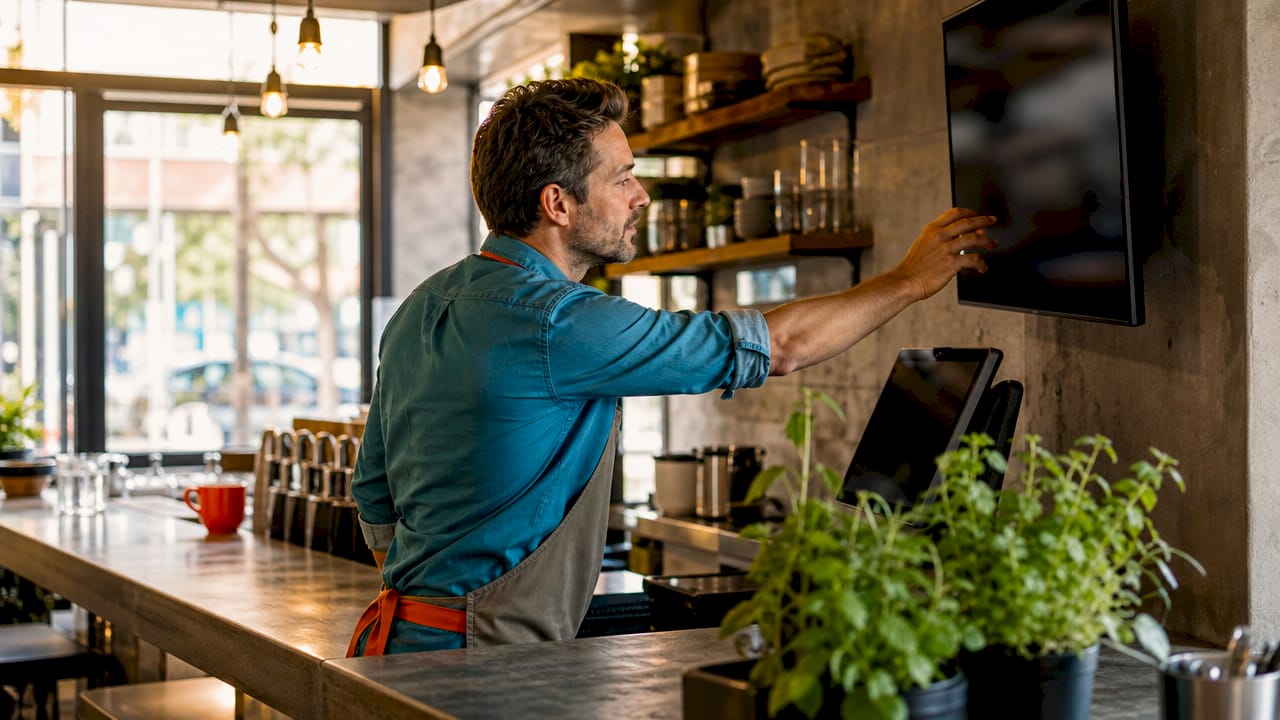
Digital displays are the single most effective tool for presenting seasonal menus because they allow restaurants to update content instantly, showcase high-quality visuals, and respond to ingredient availability in real time. Static printed menus cannot keep pace with the speed of seasonal change. Diners are willing to pay a 16–28% premium for locally sourced seasonal items, which means the revenue opportunity is real. The question is whether your menu presentation captures that opportunity or leaves it on the table. This article explains why seasonal menus need digital displays, how to implement them, and what the best operators are doing in 2026.
Why seasonal menus need digital displays for real results
The core reason seasonal menus need digital displays is operational speed. When a local supplier runs out of heirloom tomatoes mid-week, a printed menu becomes a liability. A digital display connected to your POS or inventory system lets you remove or update items within minutes, not days. That agility protects your margins and your reputation with guests.
Seasonal menus also carry a cost advantage that digital displays help you protect. Restaurants that source produce in season keep food costs near 30%, while off-season sourcing can push that figure to 40%. Digital menus let you reflect price and availability changes the moment they happen, so you never have to sell a dish at a loss because the printed menu is already out.
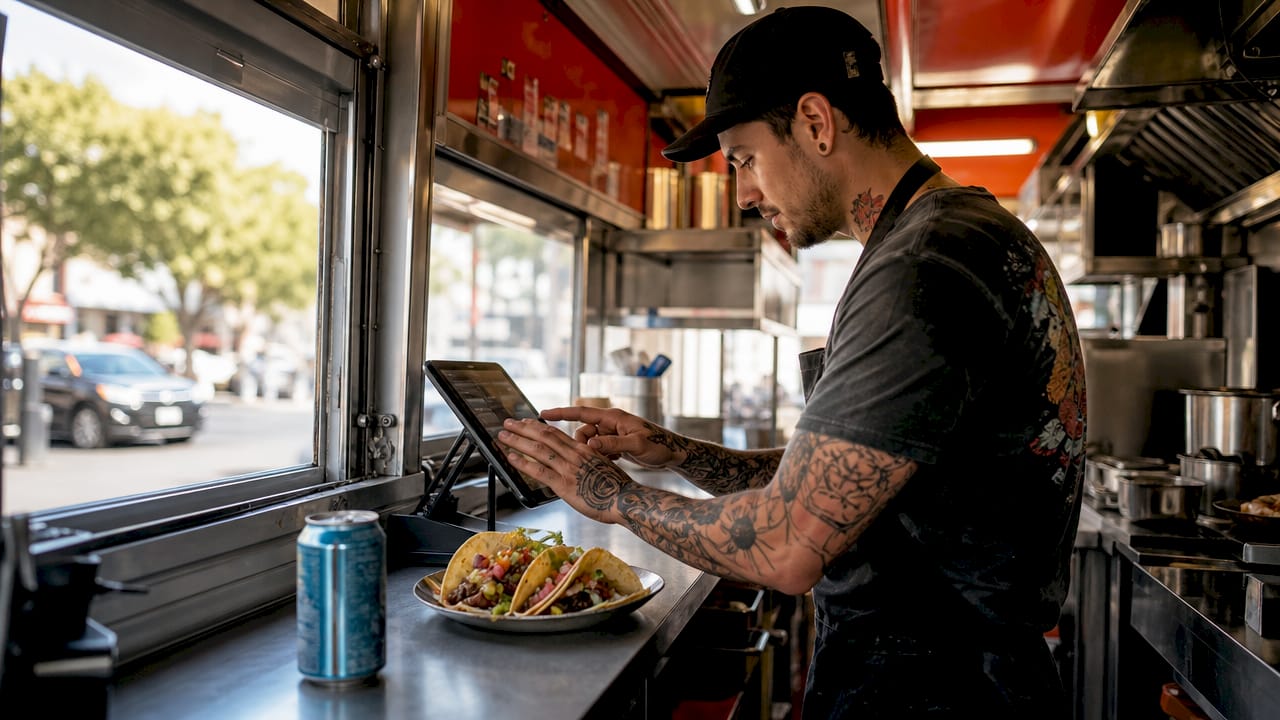
The industry term for this category of technology is digital menu boards, and the broader practice falls under digital signage for restaurants. Both terms matter because they describe different layers of the same system. A digital menu board is the customer-facing screen. Digital signage is the platform that manages content across all your screens, from the front counter to the drive-through.
Pro Tip: Connect your digital menu board platform to your inventory system from day one. Real-time sync means you never have to manually pull an item during a rush.
What operational advantages do digital displays offer for seasonal menus?
The operational benefits of digital menu boards go well beyond avoiding reprint costs. Here is how the efficiency gains stack up in practice:
Instant updates across all locations. A multi-location operator can push a new spring menu to every screen in every restaurant from a single device. No courier, no print run, no lag time.
POS and inventory integration. Digital menus integrate with POS and inventory systems, so pricing and availability reflect live data. A dish that sells out at lunch disappears from the board automatically.
Error correction in seconds. A typo on a printed menu means a reprint. On a digital board, you fix it in under a minute. That matters when you are launching a new seasonal item under time pressure.
Reduced waste from over-ordering. When your menu reflects what is actually available, your kitchen orders more precisely. Seasonal produce is already more abundant and less expensive when sourced locally. Accurate digital menus amplify that advantage.
Scheduled content changes. You can program your boards to switch from a brunch menu to a dinner menu at a set time, or to promote a seasonal special only during peak hours.
These gains compound over a full year of seasonal rotations. A restaurant running four seasonal menus annually saves significant time and print budget while presenting fresher, more accurate information to every guest.
How do digital displays enhance marketing for seasonal offerings?
Seasonal dishes generate customer buzz because of their limited-time nature. Limited-time seasonal items create urgency and drive repeat visits in a way that permanent menu items simply cannot. Digital displays amplify that urgency with visuals and messaging that static menus cannot match.
Consider what a well-designed digital board can do for a summer stone fruit dessert. A full-color photograph of a peach tart, paired with a short line about the local orchard it came from, tells a story in three seconds. High-quality visuals on digital displays turn ingredient sourcing into storytelling that builds emotional connection and loyalty. That is a marketing outcome, not just a menu update.
The benefits of digital displays for seasonal marketing include:
Visual storytelling. Rotating images and short copy about ingredient origins connect guests to the food before they order.
Urgency messaging. Phrases like “Available through Sunday” or “While supplies last” are easy to add and update on a digital board. They are impossible to do cost-effectively on print.
Social media synergy. A visually striking digital board creates content guests want to photograph and share. That organic reach extends your seasonal promotion beyond the four walls of your restaurant.
Local sourcing promotion. Calling out a farm or producer by name on a digital display builds community trust and differentiates your brand from chain competitors.
“Seasonality combined with digital signage creates ongoing marketing opportunities that refresh customer interest multiple times per year.” — Northern Restaurant & Bar
The marketing case for digital displays is not theoretical. Restaurants that use in-store digital promotions consistently report stronger attachment to limited-time offers than those relying on printed inserts or verbal upsells from staff.
Static vs. digital seasonal menus: which actually performs better?
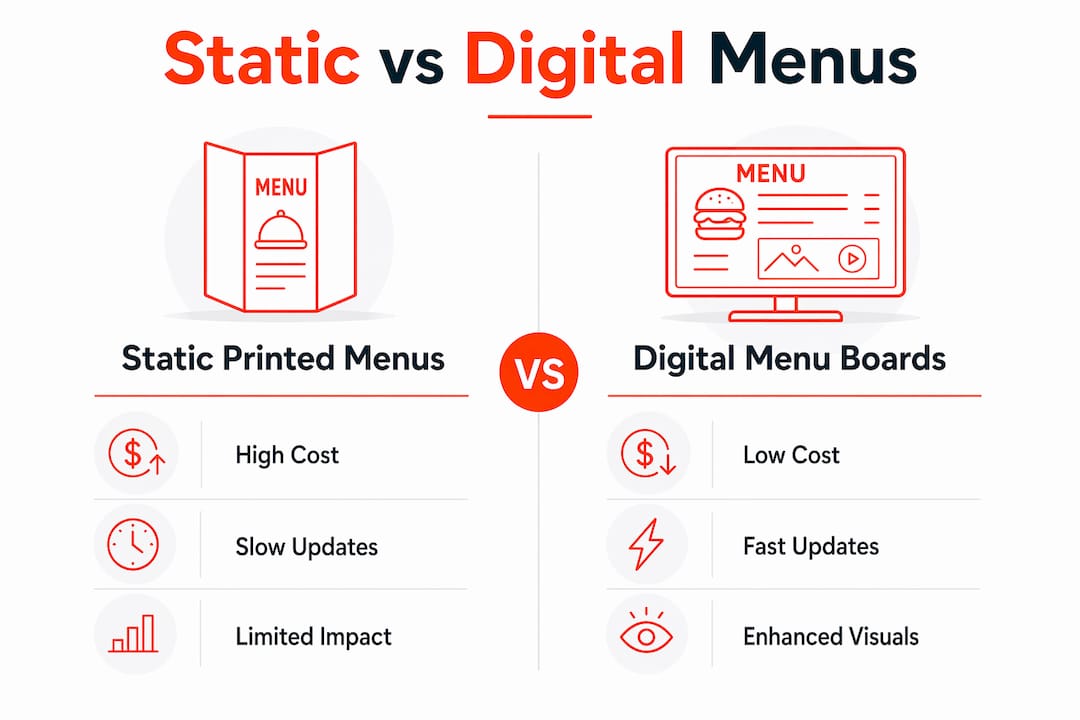
The comparison between static printed menus and digital displays comes down to four factors: cost, speed, visual impact, and flexibility. The table below shows how each format performs across those dimensions.
Factor | Static printed menus | Digital menu boards |
Update cost | High. Each change requires a new print run. | Low. Digital menus reduce print costs and errors significantly. |
Speed of change | Days to weeks, depending on print lead times. | Minutes from any connected device. |
Visual impact | Limited to photography quality at print time. | Dynamic images, video, and animation updated any time. |
Multi-location flexibility | Requires separate print orders per location. | One platform manages unlimited screens across all sites. |
Error correction | Requires a full reprint. | Fixed in under a minute on the platform. |
The flexibility gap is where digital displays create the most measurable advantage for seasonal menus. A restaurant running a farm-to-table concept might change featured ingredients weekly. Doing that on printed menus is cost-prohibitive. On a digital platform, it is a routine content update.
How to implement digital seasonal menus successfully
Getting digital seasonal menus right requires more than buying screens. Follow these steps to build a system that actually performs:
Choose the right platform first. Look for a digital signage platform that supports POS integration, cloud-based updates, and multi-screen management. Platforms like Signstream allow you to manage unlimited screens from any device without needing technical expertise.
Integrate your inventory and POS systems. This is the step most managers skip, and it is the one that delivers the most operational value. Live inventory sync means your menu is always accurate without manual intervention.
Invest in professional food photography. The visual quality of your seasonal content determines whether the board sells or just informs. Budget for a seasonal photo shoot when you rotate your menu. The cost is far lower than a print run and the assets are reusable across digital channels.
Write descriptions that sell, not just describe. “Roasted beet salad with goat cheese” is a description. “Roasted beets from Clearwater Farm, finished with local chèvre and a honey-thyme vinaigrette” is a story. Digital boards give you space to tell it.
Train your staff on the platform. Your front-of-house team should know how to flag a sold-out item on the board during service. A five-minute training session prevents a guest from ordering something you cannot deliver.
Monitor performance and iterate. Track which seasonal items sell most during the periods they are featured on the board. Use that data to inform your next seasonal rotation and your content strategy.
Pro Tip: Schedule your seasonal content changes in advance using your platform’s scheduling feature. Build the new menu board content a week before the season launches so the switch is automatic, not rushed.
Mobile-friendly digital menus tied to live inventory also improve the ordering experience for guests who check your menu before arriving. That pre-visit engagement is a growing driver of table reservations and walk-in traffic.
What 2026 trends are shaping digital seasonal menu displays?
The technology supporting digital menu boards has advanced significantly, and several trends are directly relevant to seasonal menu management in 2026:
AI-assisted demand forecasting. AI tools now analyze sales data, weather patterns, and local event calendars to predict which seasonal ingredients will sell fastest. Some platforms use this data to suggest menu adjustments before you run out of stock.
CRM-integrated personalized messaging. Reservation and CRM tools now connect with digital menu platforms to deliver personalized seasonal offers to repeat guests. A customer who ordered the autumn tasting menu last year can receive a targeted message when the new autumn menu launches.
Mobile-first menu publishing. Digital boards and mobile menus are increasingly managed from the same platform. A change made on the in-restaurant screen updates the online menu simultaneously, eliminating the risk of inconsistent information across channels.
Sustainability storytelling. Guests in 2026 respond strongly to transparency about sourcing. Digital displays make it easy to feature carbon footprint data, farm certifications, or food miles alongside seasonal dishes, turning sustainability into a selling point rather than a footnote.
Ad exchange and cross-promotion networks. Platforms like Signstream include an ad exchange marketplace that lets restaurants cross-promote with neighboring businesses and generate revenue from their own screens. A seasonal promotion for a local winery can appear on your board while your seasonal menu appears in their tasting room.
These trends point in one direction: digital displays are becoming the central hub for seasonal menu communication, not just a replacement for printed boards.
Key takeaways
Seasonal menus perform best when paired with digital displays because the combination delivers operational agility, stronger marketing, and measurable revenue gains that static menus cannot match.
Point | Details |
Revenue premium is real | Diners pay 16–28% more for seasonal, locally sourced items. Capture that with compelling digital presentation. |
Cost control depends on speed | Digital boards reflect live pricing and availability, keeping food costs near 30% instead of spiking to 40%. |
Visuals drive decisions | High-quality images and ingredient stories on digital boards increase emotional connection and order conversion. |
Static menus cannot keep pace | Print updates take days and cost money. Digital updates take minutes and cost nothing extra per change. |
Platform choice determines results | Select a platform with POS integration, cloud management, and scheduling to get full value from seasonal rotations. |
The case for committing fully, not halfway
Most restaurant managers I have worked with understand the value of seasonal menus in theory. Where they hesitate is the operational side. They worry about the learning curve, the upfront cost, or whether the content will actually stay current once the novelty wears off. Those are legitimate concerns, and they are also the exact problems a well-chosen digital signage platform solves.
The mistake I see most often is treating digital menu boards as a cosmetic upgrade rather than an operational system. Managers buy the screens, load a static image of the menu, and wonder why nothing changes. The value is in the connection between your inventory, your content, and your customer-facing screens. When those three things talk to each other, the seasonal menu becomes a live, responsive sales tool rather than a decoration.
Small restaurants often assume this level of integration is only for chains with large IT budgets. That assumption is outdated. Platforms like Signstream are built specifically for operators who do not have a tech team. The interface is accessible, the pricing is manageable, and the impact on customer engagement is immediate. I have seen a single well-executed seasonal board change drive measurable increases in the featured item’s order rate within the first week.
The future of food service is dynamic. Menus that change with the season, reflect real inventory, and tell a genuine story about where the food comes from will consistently outperform menus that do not. Digital displays are not a trend. They are the infrastructure that makes seasonal menus work at their full potential.
— DKS
See how Signstream works for seasonal menus
Signstream is built for restaurant managers who want to manage seasonal menu content without complexity or excessive cost. The platform lets you update every screen in every location instantly from any device, with no technical expertise required.
Whether you are running one location or ten, Signstream’s cloud-based digital signage platform gives you the tools to present seasonal menus with the visual quality and operational accuracy they deserve. The pricing plans are designed to be affordable for independent operators, and the ad exchange marketplace means your screens can generate revenue even when you are not actively promoting your own menu. If you are ready to see how digital menu updates work in practice, the getting started guide for restaurants is the right place to begin.
FAQ
Why do seasonal menus need digital displays specifically?
Seasonal menus change frequently and depend on ingredient availability that can shift daily. Digital displays allow instant updates, live inventory sync, and visual storytelling that printed menus cannot deliver at the same speed or cost.
How much do diners actually pay more for seasonal items?
Diners are willing to pay a 16–28% premium for menu items featuring local, seasonal ingredients. Digital displays that highlight sourcing and freshness make it easier to justify and communicate that premium pricing.
What is the biggest operational benefit of digital menu boards for seasonal menus?
The biggest benefit is real-time accuracy. Digital menu boards integrate with POS and inventory systems so that pricing and availability reflect live data, preventing the costly mismatch between what the menu says and what the kitchen can actually deliver.
Can small restaurants afford digital signage for seasonal menus?
Yes. Platforms like Signstream are priced for independent operators and require no technical expertise to manage. The reduction in print costs across four seasonal rotations per year typically offsets the platform cost within the first year.
How do digital displays support seasonal menu marketing beyond the restaurant?
Mobile-first digital menu platforms publish live menus online simultaneously with in-restaurant boards, so guests checking your menu before visiting see accurate seasonal content. CRM integration also allows personalized seasonal offers to be sent to repeat customers, extending the marketing reach of each seasonal launch.
Recommended
Comments