

Tourism Digital Screen Networks: A Pro Guide for 2026

A tourism digital screen network is a centralized system that delivers scheduled, targeted digital content to multiple displays through a combination of screens, media players, a content management system (CMS), and network connectivity. The industry term for this infrastructure is a digital signage network, and understanding what is a tourism digital screen network gives you a clear framework for deploying visitor communication that actually performs. This guide covers the core technology, real-world deployment models from Norwegian Cruise Line and Lake Constance, monetization strategies, and best practices for scaling your network efficiently.
What is a tourism digital screen network?
A tourism digital screen network is an end-to-end platform that routes content from a central CMS to individual screens across one or many locations. Content is created, scheduled, and assigned to playlists inside the CMS. Media players at each screen pull or receive those playlists and render them on display. A network manager monitors every player’s health from a single dashboard, with proof-of-play reporting confirming what ran, when, and where.
This architecture replaces static printed signage with dynamic, real-time communication. A hotel lobby screen can show breakfast hours at 7 a.m. and a local festival map by noon, all without anyone touching the display. That flexibility is the core value proposition for tourism stakeholders managing complex visitor environments.

The scale of these networks varies widely. A single resort might run 20 screens from one CMS account. Norwegian Cruise Line operates 2,900 digital signs across 20 ships under centralized management. Both are digital signage networks. The difference is scope, not structure.
How does the technology behind these networks work?
The technical workflow of a digital screen network follows a predictable content-routing path. Understanding each layer helps you make smarter decisions about hardware, software, and connectivity before you deploy.
Content creation and scheduling. A CMS like Signstream’s cloud-based platform is where you build playlists, set schedules, and assign content to specific screens or screen groups. You can target by location, time of day, language, or audience segment.
Media players. Each screen connects to a media player, a small computing device that stores and renders playlists. Players communicate with the CMS to receive updates and report status.
Network connectivity. Players sync content over Wi-Fi or ethernet. Caching content locally on each player means the screen keeps running even when the internet connection drops. This offline resilience is critical in remote tourism locations like mountain trails or cruise ships at sea.
Centralized monitoring. The CMS dashboard shows every player’s online status, last sync time, and playback logs. You can push emergency updates to all screens in seconds.
Live data integration. Advanced deployments pull real-time feeds, weather data, transport schedules, and event listings directly into screen content. Procon Digital’s TuristVert solutions, for example, integrate live national tourism data into touchscreen kiosks, creating self-service visitor tools that update continuously without staff intervention.
Pro Tip: Before selecting a CMS, confirm it supports offline playback caching. A network that goes dark during a Wi-Fi outage creates a worse visitor experience than no screen at all.
How do digital screen networks outperform static signage?
Static signage fails tourism operators on three fronts: it cannot update in real time, it costs money every time content changes, and it cannot adapt to the visitor standing in front of it. Digital signage for tourism solves all three by delivering location-specific, time-sensitive content that adjusts dynamically without reprinting.
The practical advantages are significant:
Real-time updates. Trail closures, weather warnings, and last-minute event cancellations appear on screens within minutes of a CMS update, not days after a print run.
Multilingual content. Screens can rotate between English, Spanish, French, and Mandarin based on time of day or visitor demographics, serving international guests without additional staff.
Wayfinding and event schedules. Dynamic maps and live schedules reduce visitor confusion and front-desk inquiries, freeing staff for higher-value interactions.
Emergency alerts. A single CMS action pushes urgent safety messages to every screen in the network simultaneously.
Cost reduction over time. Eliminating recurring print costs for seasonal updates, new promotions, and schedule changes delivers measurable savings at scale.
Visitor usefulness drives engagement more than design or branding. Travelers engage with screens that answer their immediate questions, not screens that display generic promotional content. This means your content strategy should prioritize wayfinding, schedules, and local information above advertising.
Interactive displays add another layer of engagement. Touchscreen kiosks with multilingual support and live transport data function as unattended digital tourist offices, available 24 hours a day. That capability matters in destinations where staffing visitor centers around the clock is not practical.
What do successful tourism network deployments look like?
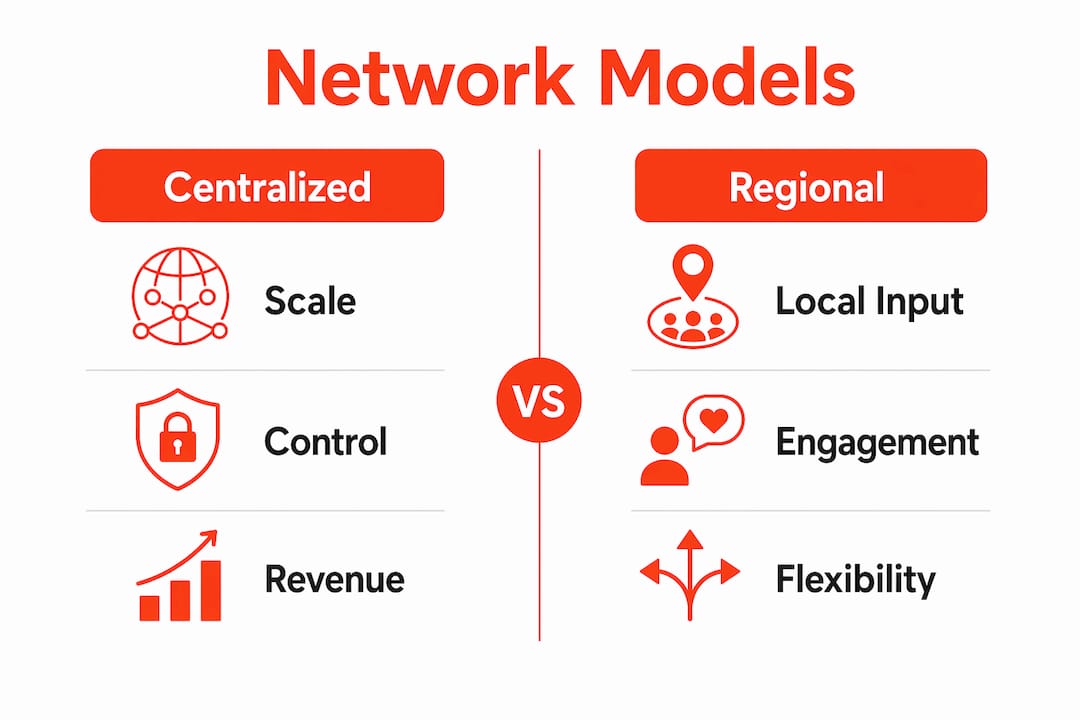
Real-world deployments reveal two dominant models: centralized fleet-wide networks and regional infotainment networks. Both work, but they serve different operational goals.
Centralized fleet-wide networks
Norwegian Cruise Line’s digital signage network is the clearest large-scale example in tourism. The company has operated a fleet-wide network since 2009, powered by Poppulo, and has grown it to 2,900 signs across 20 ships. Every display runs standardized, centrally managed content covering dining hours, entertainment schedules, port information, and safety notices. Newer ships add more displays as the network continues to evolve. The key insight here is that digital signage networks function as evolving communication platforms, not one-time installations. Norwegian’s network started small and expanded over 15-plus years.
Regional infotainment networks
Lake Constance’s regional tourism network takes a different approach. The system uses 120 media players managed through SpinetiX ARYA Cloud CMS, delivering localized content across multiple partner locations around the lake. Each screen shows a mix of weather, local news, events, and partner highlights. The network also carries monetized digital out-of-home advertising, turning the infrastructure into a revenue source for participating operators.
Model | Scale | Content Control | Revenue Potential |
Centralized fleet-wide | Single operator, many locations | Full central control | Internal promotion only |
Regional infotainment | Multi-partner, regional | Central plus local slots | Partner advertising and DooH |
Interactive kiosk network | Single or multi-site | Live data feeds | Sponsorship and upsell |
Pro Tip: Regional networks gain the most value when local operators contribute content to their own screens while a central team controls brand standards and scheduling rules. Build that permission structure into your CMS from day one.
What are best practices for managing and scaling your network?
Scaling a tourism digital screen network requires planning for content, technology, and operations simultaneously. Most deployments that underperform do so because of content neglect, not hardware failure.
Choose a CMS built for multi-site management. You need screen grouping, role-based access, and scheduling by location. Signstream’s platform supports multi-venue deployments with unlimited screens at no extra charge, which removes a common scaling cost barrier.
Plan for offline resilience from the start. Require local caching on every media player. Connectivity gaps in tourism environments, particularly on ships, in national parks, and at remote attractions, are common. Screens that go blank during outages damage visitor trust.
Balance central control with local relevance. A central team should own brand standards, emergency alerts, and network-wide promotions. Local managers should have permission to update their own location’s content, such as daily specials, local events, and regional weather.
Refresh content on a defined schedule. Stale content is the single biggest reason visitors stop looking at screens. Build a content calendar with weekly updates at minimum, and trigger automatic seasonal changes through your CMS scheduling tools.
Integrate live data feeds where possible. Connecting your screens to live weather APIs, transport databases, or event management platforms means content stays current without manual updates. Procon Digital’s approach of pulling live data from national tourism databases is a model worth replicating at any scale.
Monitor proof-of-play reports. Use your CMS reporting to confirm content is running as scheduled. This data also supports advertising billing if your network carries paid promotions.
Pro Tip: Set up automated alerts in your CMS for any player that goes offline for more than 15 minutes. Catching a failed media player before a visitor notices a blank screen is the difference between a minor IT ticket and a guest complaint.
How can tourism operators monetize their screen networks?
A digital screen network is not just a communication tool. It is a media asset. Tourism operators who recognize this generate revenue from infrastructure they already own.
Digital out-of-home (DooH) advertising. Screens in high-traffic visitor areas, airports, ferry terminals, and resort lobbies carry real advertising value. The Lake Constance network demonstrates this directly, selling ad slots to regional partners through its centralized CMS.
Partner promotions. Local restaurants, tour operators, and attractions will pay for screen time in front of visitors who are actively planning their day. These visitors are already in the buying cycle, which makes your screen network a premium advertising placement.
Cross-promotion through ad exchanges. Platforms like Signstream’s ad display network allow operators to trade screen time with neighboring businesses, generating exposure without cash outlay and creating revenue from inbound partner ads.
Sponsored content slots. Regional tourism boards and destination marketing organizations often fund content that promotes local attractions. Offering sponsored content slots within your network gives you a funding source while adding value for visitors.
Performance tracking for advertisers. Proof-of-play reporting lets you show partners exactly how many times their ad ran, on which screens, and at what times. That accountability makes your network more attractive to paying advertisers than traditional static placements.
The most effective monetization strategy combines owned promotional content with a small number of high-quality partner placements. Overloading screens with advertising erodes the visitor usefulness that makes your network worth watching in the first place.
Key takeaways
A tourism digital screen network delivers its highest value when centralized content control is combined with localized relevance, live data integration, and a clear monetization strategy.
Point | Details |
Core architecture | Every network combines a CMS, media players, and displays under centralized control. |
Offline resilience | Local caching on media players keeps screens running during connectivity outages. |
Real-world scale | Norwegian Cruise Line manages 2,900 signs across 20 ships from a single platform. |
Monetization opportunity | Regional networks like Lake Constance generate revenue through DooH advertising and partner slots. |
Content strategy | Visitor-useful content, wayfinding, schedules, and alerts drives engagement more than branding. |
Why most tourism networks are underbuilt and underused
Having worked with digital signage deployments across hospitality and tourism environments, the pattern I see most often is this: operators invest in good hardware and then treat the CMS like a set-it-and-forget-it tool. The screens go live, the content from launch week stays up for six months, and visitors learn to ignore them.
The networks that actually perform, like Norwegian Cruise Line’s fleet or the Lake Constance regional system, treat content as an ongoing operational responsibility, not a one-time project. They assign ownership, build refresh schedules, and measure what works. That discipline is more valuable than any hardware upgrade.
The other underused opportunity is monetization. Most tourism operators sitting on high-traffic screen networks have no idea they are holding a media asset. A regional resort with screens in the lobby, pool area, and restaurant could realistically offset platform costs entirely through two or three local partner advertising agreements. The infrastructure is already there. The revenue is not being collected.
My honest recommendation: before you add more screens, audit the content on the ones you already have. If it is more than 30 days old, fix that first. A smaller, well-managed network outperforms a large, neglected one every time.
— DKS
How Signstream supports tourism digital screen networks
Signstream’s cloud-based digital signage platform is built for exactly the kind of multi-location, always-on network that tourism operators need. You can manage unlimited screens from any device, push updates in real time, and schedule content by location, time of day, or audience. No technical expertise required.
For tourism stakeholders ready to scale, Signstream’s pricing plans are designed to grow with your network without the per-screen fees that make most enterprise platforms cost-prohibitive. The platform also includes an ad exchange marketplace, so you can cross-promote with local businesses and generate revenue from your screens from day one. If you want to see how the platform works before committing, the how it works page walks you through the full setup in plain language.
FAQ
What is a tourism digital screen network?
A tourism digital screen network is a centralized system combining digital displays, media players, and a CMS to deliver scheduled, targeted content to visitors across one or many locations. It replaces static signage with real-time, updateable communication.
How do media players work in a digital signage network?
Media players are small computing devices connected to each screen. They receive content playlists from the CMS, store them locally for offline playback, and render them on the display while reporting health status back to the network manager.
What are the main benefits of digital screen networks over printed signs?
Digital screen networks update in real time, support multilingual content, eliminate reprinting costs, and enable emergency alerts across all screens simultaneously. Visitor engagement is higher when screens answer immediate questions like wayfinding and event schedules.
Can a tourism digital screen network generate revenue?
Yes. Networks in high-traffic visitor areas can carry DooH advertising, partner promotions, and sponsored content slots. The Lake Constance regional network uses its 120-player system to deliver monetized advertising alongside visitor information.
How many screens do you need to justify a digital signage network?
There is no minimum. A single-location operator with five screens benefits from centralized CMS management just as a cruise line with 2,900 signs does. The value scales with content complexity and update frequency, not screen count.
Recommended
Comments