

10 Loyalty Signage Moves to Drive Signups for Retail & Mktg Managers
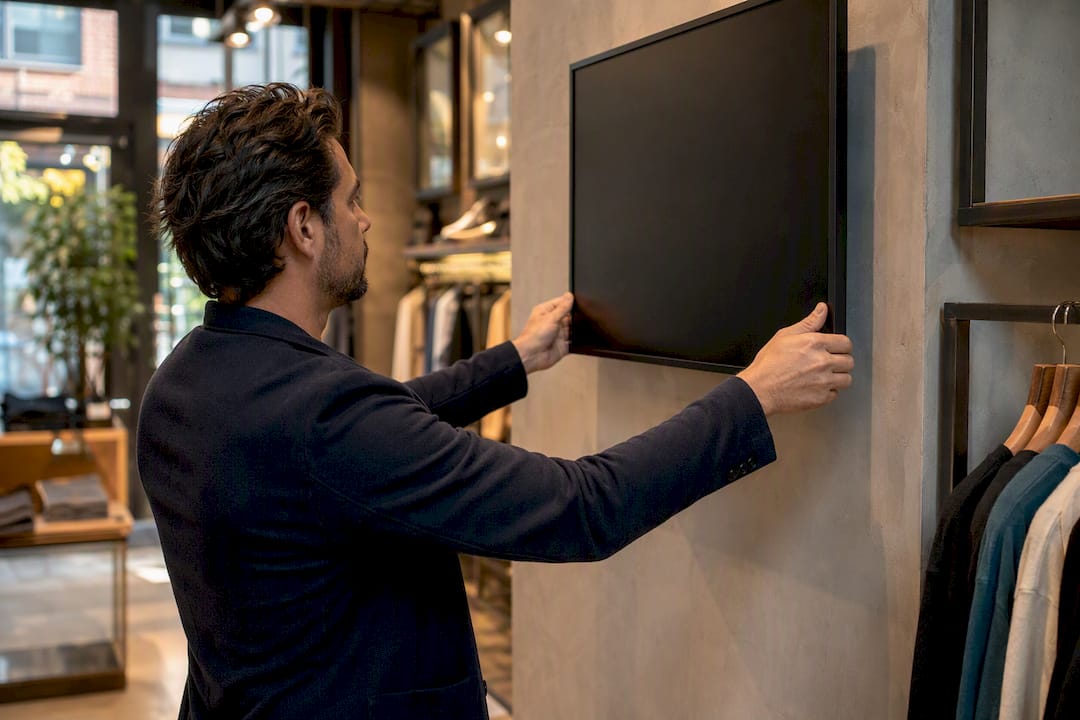
Yes, digital signage moves loyalty numbers, but only when it shows real-time rewards, cuts sign-up down to a QR scan, and reports back through your analytics dashboard. Static posters do not do this. A screen tied to your loyalty platform does. Your first move: put one screen at a high-traffic decision point, promote a single sign-up incentive, and drive it with a QR code that lands on an instant enrollment form.
TL;DR:
Placement of screens at key points, like entrances and checkout counters, optimizes engagement and promotes immediate sign-ups via QR codes.
Hardware must include commercial-grade displays, a capable content management system, and live loyalty data feeds to ensure campaign effectiveness.
Content should focus on one primary incentive per screen, with clear, quick enrollment options and ongoing rotation to maintain freshness and relevance.
Tracking success requires unique codes and regular analysis of sign-ups, redemptions, and customer feedback, with pilot tests before mass rollout.
Table of Contents
What Loyalty Promotion Digital Signage Actually Does For Engagement
Screens hold attention longer than static posters, and that extra dwell time is where loyalty messaging earns its keep. A member walking past a static poster sees it once, maybe. A member standing at checkout while a screen cycles through their own reward balance sees something that feels personal, and personal is what drives action.
That personalization effect is not theoretical. Industry analysis of digital signage in loyalty campaigns points to a 46% jump in customer satisfaction and 32.8% growth in repeat buyers when businesses use screens to surface real-time updates and personalized content instead of generic promotional loops. Showing a shopper their actual point balance, or how close they are to their next reward tier, does something a flat “Join Our Loyalty Program!” banner never can: it makes the payoff concrete.
Interactivity closes the loop. A QR code, a tap-to-enroll kiosk, or a simple visible counter (“14 members redeemed a free item this week”) turns a passive glance into a low-friction action. That last element, visible redemption activity, functions as social proof without you writing a single testimonial.
Placement changes what a screen should say:
Entrance displays work best for broad awareness. This is where you announce the loyalty program exists and state the headline incentive.
Checkout displays are where personalization pays off. This is the moment to show a shopper’s actual balance or a limited time redemption offer.
Category or aisle displays support cross-sell and upsell tied to loyalty tiers, like “Gold members save 15% on this display today.”
Screens also perform better when they are not purely promotional. Mixing in utility content, weather, store hours, wait times, alongside loyalty prompts tends to reduce ad avoidance and keep dwell time higher, because customers do not tune the screen out as another sales pitch.
The Tools And Technical Setup Behind Loyalty Signage
Before you write a single piece of promotional creative, your hardware and data plumbing need to work. A 2026 vendor guide on loyalty program signage breaks the requirement down into three layers: commercial-grade displays, a capable content management system, and a live connection to your loyalty data. Skip any one of these and the campaign stalls.
Here is what to have in place before launch:
Commercial displays and reliable mounting. Consumer TVs burn out fast under always-on commercial use. Budget for displays rated for continuous operation, plus a network setup that survives a router reboot without going dark.
A CMS with real scheduling and templating. You need role-based access (so a store manager cannot accidentally wipe a corporate campaign), data-driven content blocks, and the ability to push updates remotely from a phone or browser rather than walking to each screen with a USB drive.
A secure data feed from your loyalty or CRM platform. This is the piece most teams underbuild. An API or webhook connection lets the screen pull live point balances, tier status, and promo eligibility instead of showing a static “join now” graphic that never updates.
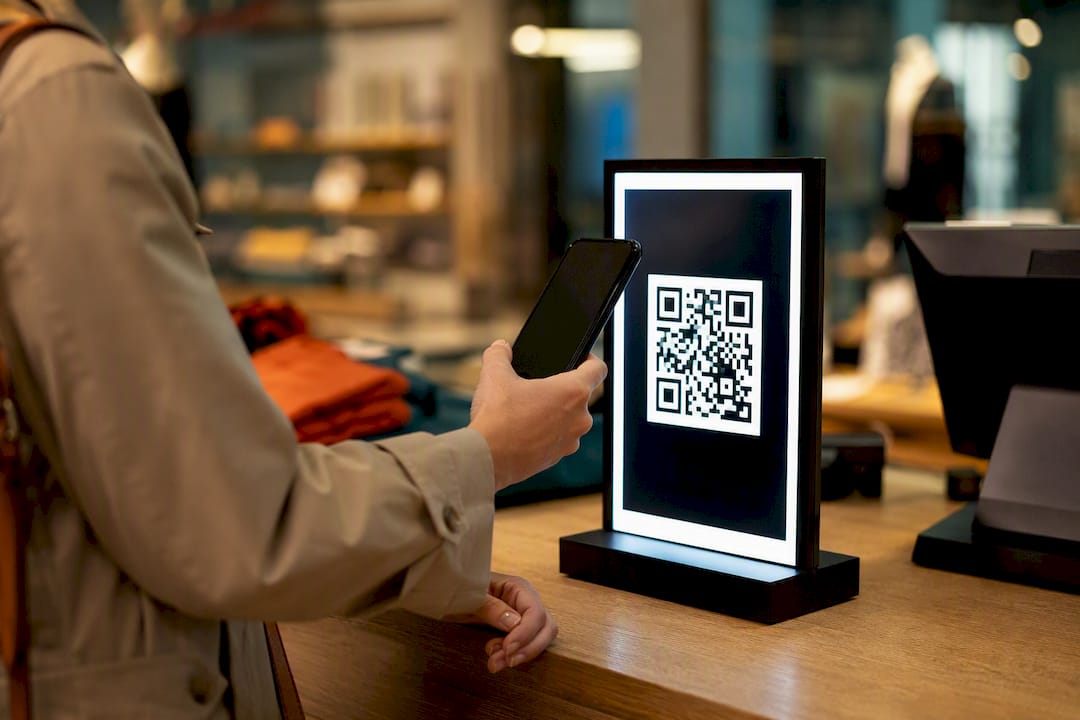
A sign-up mechanic built for speed. QR codes remain the fastest path, but only if they land on a mobile-optimized form with minimal required fields. A phone-number-only capture, or an optional kiosk mode for in-store enrollment, converts noticeably better than a five-field web form. Well-designed QR flows on screens consistently outperform printed QR codes because they can be swapped or updated the moment a promotion changes.
Pro Tip: Test your QR code flow on your own phone, on a real cellular connection, standing at the actual screen location. Weak in-store Wi-Fi and a slow-loading form will quietly kill sign-ups that looked fine on your office desktop.
Strategies And Content Ideas That Actually Drive Sign-Ups
Once the technical layer works, the content decisions determine whether members enroll or scroll past. The single biggest mistake teams make is putting three offers on one screen. Pick one primary call to action per display and rotate everything else around it.
Ten tactics worth building into your rotation:
Lead with one incentive per screen. “Join and get 10% off today” beats a screen trying to sell membership, a seasonal sale, and a referral bonus at once.
Make joining instant. QR code to mobile form, three fields or fewer, no app download required to start.
Show real-time point balances and progress bars. A visual “you’re 40 points from a free item” nudges redemption far more than a static rewards chart.
Feature member-only deals prominently. Non-members should see something they are missing.
Use redemption examples as social proof, like a rotating counter of recent rewards claimed in-store.
Promote referral bonuses directly on screen, not just in an email members may never open.
Run gamified, time-limited challenges such as “Visit three times this month for a bonus reward.”
Schedule content by daypart and season. A lunch-hour screen should push different urgency than a Saturday morning display.
Cross-promote with vetted local partners through an ad-exchange marketplace, which expands your screen’s reach without handing over customer data to another business.
Add a one-question feedback prompt. A simple on-screen NPS-style tap gives you program feedback without a survey link nobody clicks.
A few of these deserve more detail. Testimonials and reward-tier visibility are proven pullers: guidance from Rise Vision’s loyalty signage strategies specifically calls out highlighting program benefits and showing tier progress as two of the most reliable conversion tactics available on a screen. Cross-promotion works similarly well on the reach side. Platforms built around local promotion tracking let you set time-limited joint offers with a neighboring business and track redemptions cleanly, which keeps the arrangement mutually accountable instead of a vague handshake deal.
None of this should run on autopilot forever. Build a simple testing habit:
Rotate the primary CTA weekly between two creative variants.
Change one variable at a time (headline, incentive amount, or button color) so you know what moved the number.
Track sign-up and redemption rate for each variant before declaring a winner.
Retailers running promotional creative through digital displays have found that structured rotation like this, paired with clear in-store promotion templates, keeps content fresh without requiring a full redesign every week.
Measuring ROI: The KPIs That Prove Signage Is Working
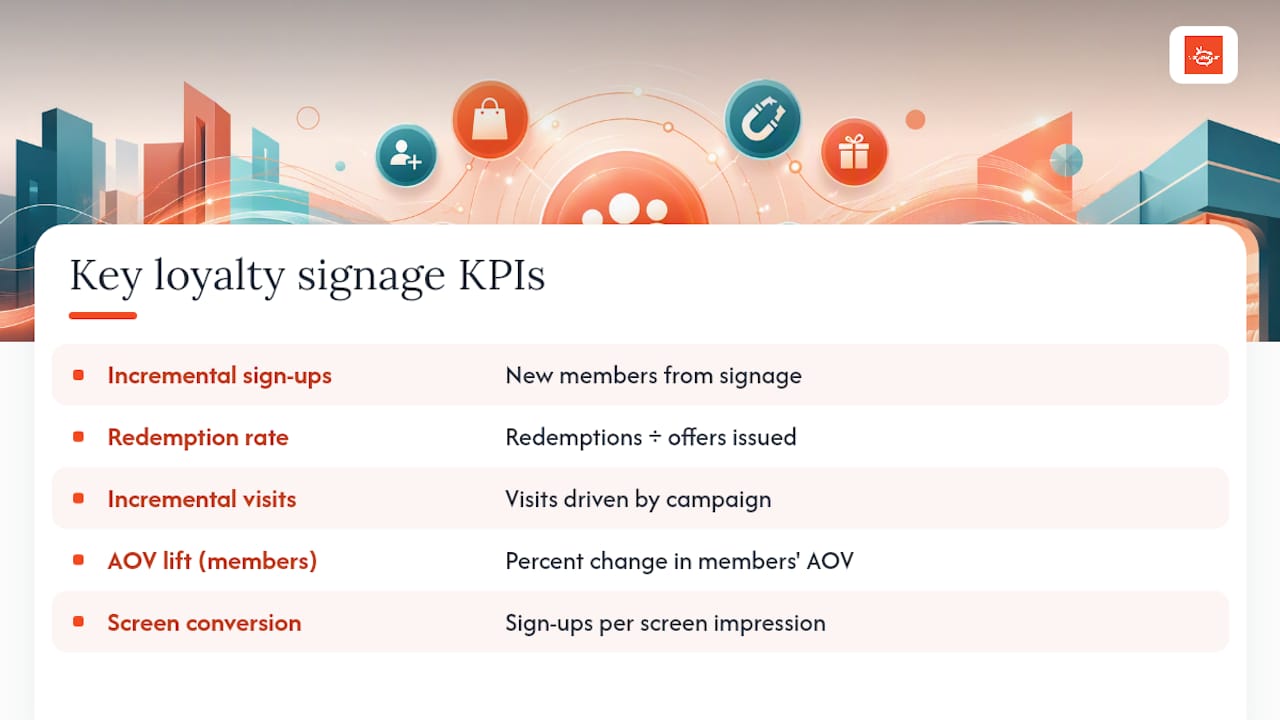
The metrics that matter for loyalty signage are narrower than most dashboards track by default. Five numbers tell you almost everything: incremental sign-ups, redemption rate, incremental visits, average order value lift among loyalty members, and sign-up conversion rate off the screen specifically.
Vendor case data on loyalty-focused signage shows customer satisfaction climbing by 46% and repeat-buyer growth reaching 32.8% when personalized, real-time loyalty content replaces static promotional graphics. That gap is your baseline argument for budget.
Attribution is where most teams lose the thread. The fix is simple: use unique QR codes, short promo codes, or campaign-specific short URLs for every screen-driven offer, so a redemption can be traced back to the exact display and time slot that generated it. Using distinct short codes per campaign rather than one generic link is what makes closed-loop measurement possible instead of guesswork dressed up as analytics.
Where you can, run a holdout test. Keep loyalty messaging off screens at a handful of comparable locations for two to four weeks while the rest of your network runs the campaign, then compare sign-up and redemption rates between the two groups. That comparison, not a single location’s before-and-after, is what actually proves lift. Digital signage analytics platforms that connect impressions to scans to sign-ups to redemptions give you the full funnel in one view, which is the difference between reporting activity and reporting ROI.
Fixing The Problems Every Loyalty Signage Rollout Hits
Content fatigue shows up fast when the same three slides loop for a month straight. The fix is structural: build templates once, then rotate creative weekly on a calendar, and keep every screen locked to one primary call to action per display instead of letting well-meaning staff stack five offers on it.
Connectivity failures are the second predictable headache. A screen that goes dark during a promotion is worse than no screen at all. Build in offline fallback content, so a network hiccup shows a branded holding slide instead of a blank blue error screen, and use remote monitoring so you know about outages before a customer complains.
Sign-up friction and privacy concerns often travel together. Capture the minimum data required to enroll, email-only or phone-only, and post a short, honest privacy line near the QR code. A pre-launch checklist covering these points before rollout saves a lot of after-the-fact cleanup.
Measurement gaps close the same way attribution problems do elsewhere: instrument every campaign with unique codes and reconcile the CMS event log against your POS or redemption data monthly, not quarterly.
Pro Tip: If your redemption numbers and your CMS scan numbers do not roughly match by month three, the mismatch is almost always a code hygiene problem, not a signage problem. Audit which codes are still live before touching your creative strategy.
What SignStream’s Client Results Show About Loyalty Signage
SignStream’s platform was built around the exact gap this article has been describing: screens that update instantly, connect to real data, and prove their own worth. Clients get real-time content updates pushed from any device, unlimited screens deployed at no added cost, built-in QR workflows for enrollment, analytics for tracking performance, and an ad-exchange marketplace for cross-promoting with other local businesses.
Elite sports clubs running class-promotion campaigns through SignStream have reported a notable rise in class attendance after implementation, a comparable proof point for what loyalty-focused signage can do when it is tied to real member data instead of static graphics.
Before signing with any vendor, ask these questions:
Does the platform integrate directly with your existing loyalty or CRM system, or will you need a workaround?
How granular is the analytics reporting? Impressions only, or full funnel down to redemptions?
What is the uptime SLA, and what happens to your screen content during an outage?
How is pricing structured, per screen, per channel, or flat rate, and what does the ad-exchange take?
Require a 30-day pilot with specific KPI targets, sign-up lift, redemption rate, before rolling any platform out to every location. A pilot that cannot show movement on those numbers in a month is not worth scaling.
Why Most Teams Get The Sequencing Backwards
The mistake I see most often is teams designing the creative before they have decided what they are measuring. They build a beautiful animated screen, launch it, and only afterward ask how they will know if it worked. Flip that order. Pick your KPI, build the attribution method, then design content that feeds it.
Prioritize three things in this exact order: one clear incentive, a join flow that takes under thirty seconds, and a measurement setup that exists before launch day, not after. Start with a single pilot screen, review results weekly rather than monthly, and only scale the tactics that show measurable lift. Freshness matters, but do not let weekly creative rotation drift the core message. Members should recognize your program’s look and voice every time, even as the offer changes underneath it.
— DKS
See What Loyalty Signage Looks Like For Your Locations
Everything covered above, real-time balances, QR-driven enrollment, redemption tracking, and cross-promotion revenue, is built directly into SignStream’s platform, not bolted on as an afterthought. You get unlimited screens across every location at no added cost, updates pushed instantly from your phone or laptop, and an ad-exchange marketplace that turns idle screen time into a second revenue line by cross-promoting with local businesses you actually trust.
If you want help mapping your loyalty data into a live screen network before you commit to anything, book a free consult and walk through your specific setup with someone who has done it before. Teams that want a more hands-on start can request an on-site consultation instead. Either way, the next step is the same: get a real plan for your screens before your next promotion launches, not after it underperforms.
Where To Go Deeper On Loyalty Signage
A few resources worth bookmarking as you build out your program:
SignStream’s own guides on QR code marketing ROI and platform capability.
Recommended
Comments