

Why Clubs Use Dynamic Displays to Drive Revenue and Engagement
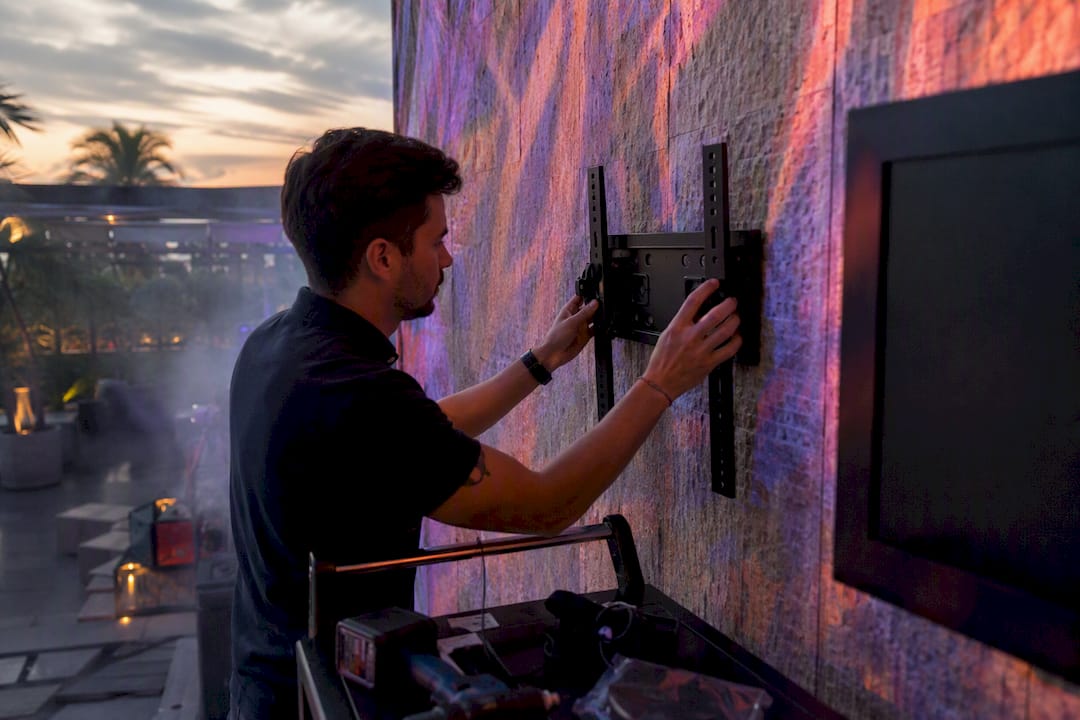
Clubs use dynamic displays to lift member engagement, increase per-head spend, and open up sponsorship revenue that static signage simply can’t generate. Industry coverage on nightclub and bar installs shows that venues using digital signage see measurable gains in dwell time and social sharing, while operators who monetize screen inventory correctly often recoup installation costs in under a year.
Three outcomes show up again and again:
Engagement: Live content (DJ lineups, countdowns, social walls) keeps guests on the floor longer.
Revenue: Bottle service promos and sponsor placements convert idle screen time into dollars.
Operational speed: Menu changes, wait times, and VIP updates push out instantly, no printing required.
The rest of this guide covers how the technology actually works, what it costs, and which features pay off fastest.
Key Takeaways
Dynamic displays pay off when clubs treat screens as combined engagement and revenue tools, not just decoration, and pair the right features to specific operational and monetization goals.
Point | Details |
Start with one operational win | Pick your most expensive manual process (menu changes, wait times) as the first pilot screen. |
Time promotions to room energy | Surface offers during lulls, not peak sets, for better guest reception. |
Prioritize sellable placements | Scope DJ backdrops and entrance screens first since they command the highest sponsor rates. |
Track dwell time and QR scans | Use these metrics to prove ROI before expanding to more screens. |
Evaluate a platform built for speed | Signstream lets managers push updates across unlimited screens instantly and monetize unsold inventory through its ad exchange. |
Table of Contents
What Is a Dynamic Display, and How Does It Differ From Static Signage?
A dynamic display is a screen driven by a content management system (CMS) that updates automatically using live data, scheduling rules, and integrations rather than a fixed image or print. Dynamic digital signage pulls from calendars, point-of-sale systems, or social feeds and refreshes content on its own, which is the core distinction from a static poster or printed drink menu that stays the same until someone physically swaps it out.
Picture a club that used to laminate a drink menu every time it changed a special. With a dynamic display, that same menu updates the moment happy hour ends, no laminator required. The contrast is stark: a printed class schedule taped to a wall, compared to a screen that shifts automatically when a session gets cancelled or added.
Common hardware types you’ll encounter:
LED walls: Best for large-format visuals behind the DJ booth or main stage, built for high brightness and big rooms.
LCD panels: Ideal for menus, wayfinding, and smaller promotional zones near entrances or bars.
Countertop displays: Compact screens for host stands, VIP check-in, or bottle service ordering.
Interactive kiosks: Touchscreen units for photo contests, loyalty sign-ups, or self-service wayfinding.
How Does the Technology Behind Real-Time Club Content Work?
Every dynamic display setup runs on a handful of connected parts. Understanding them helps you evaluate vendors without getting lost in jargon.
The CMS is the control center. It’s where you build templates, schedule content, and push updates to every screen from a phone or laptop.
The scheduling engine decides what shows when, syncing content to time blocks, events, or triggers rather than a fixed loop.
Integrations pull in outside data: a ticketing platform for capacity counts, a POS system for inventory-based menu triggers, a calendar for class or event times, and social feeds for live hashtag walls.
Automation rules fire actions automatically, like a countdown clock that switches to a “doors open” message at exactly 9:00 PM, or a bottle menu that hides an item once inventory hits zero.
For nightlife venues specifically, hardware specs matter more than most managers expect. Brightness and contrast need to hold up against strobe lighting and fog. Refresh rate matters if you’re livestreaming or filming content for social, since under-spec panels create visible banding on camera. If you’re running LED behind a DJ booth, ask about IP rating and gobo compatibility so the screen survives smoke machines and coordinates with your lighting rig.
Pro Tip: Ask any vendor for their refresh rate spec in Hz, not just resolution. A screen can look sharp to the naked eye and still strobe badly on an Instagram Reel.
What Are the Best Club Use Cases for Dynamic Displays?
The venues getting the most out of dynamic displays aren’t running abstract “brand content.” They’re solving specific floor problems with specific screens.
Event countdowns and live set info keep energy high between headline sets. A countdown to the next DJ, paired with a “now playing” ticker, gives guests a reason to stay put instead of wandering toward the exit.
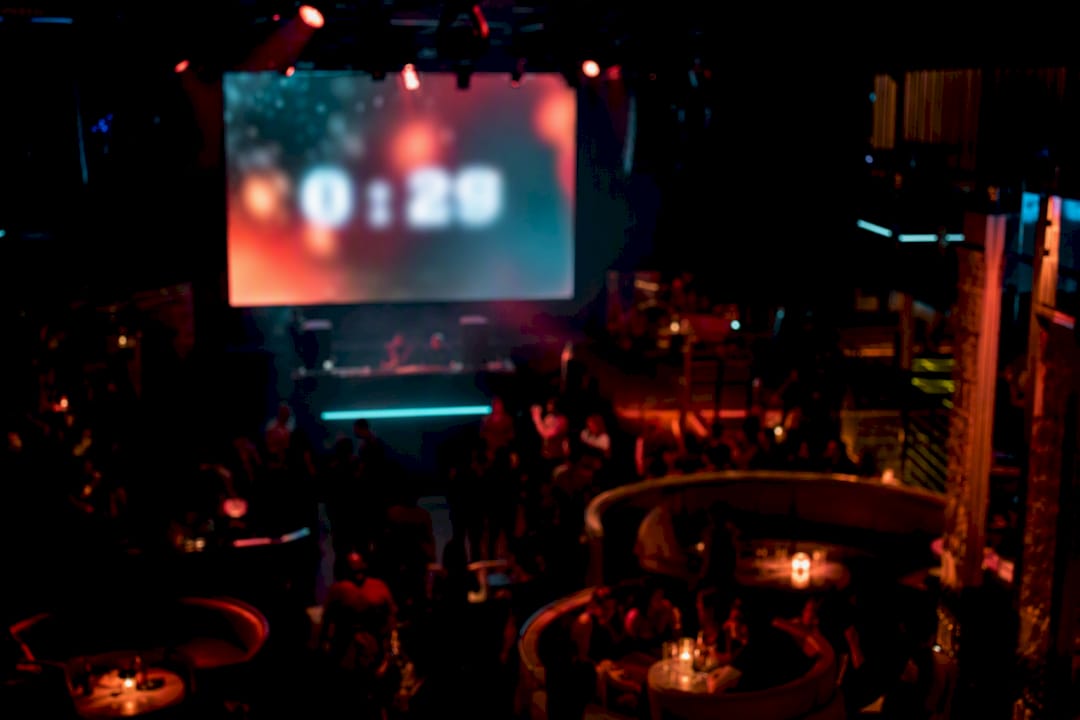
Timed promotional offers work best when tied to the room’s actual rhythm. A limited-time cocktail special that surfaces during a lull, or bottle-service upsells that appear right as a set peaks, translate into real per-head spend increases. Trade coverage on nightlife signage points to measurable spend lifts when promotions are timed to guest attention rather than looped on a fixed schedule.
Interactive QR activations turn passive screens into data capture tools. A social wall pulling from a branded hashtag, a photo contest with a QR entry code, or an email capture tied to a giveaway all convert foot traffic into a CRM list you can remarket to later.
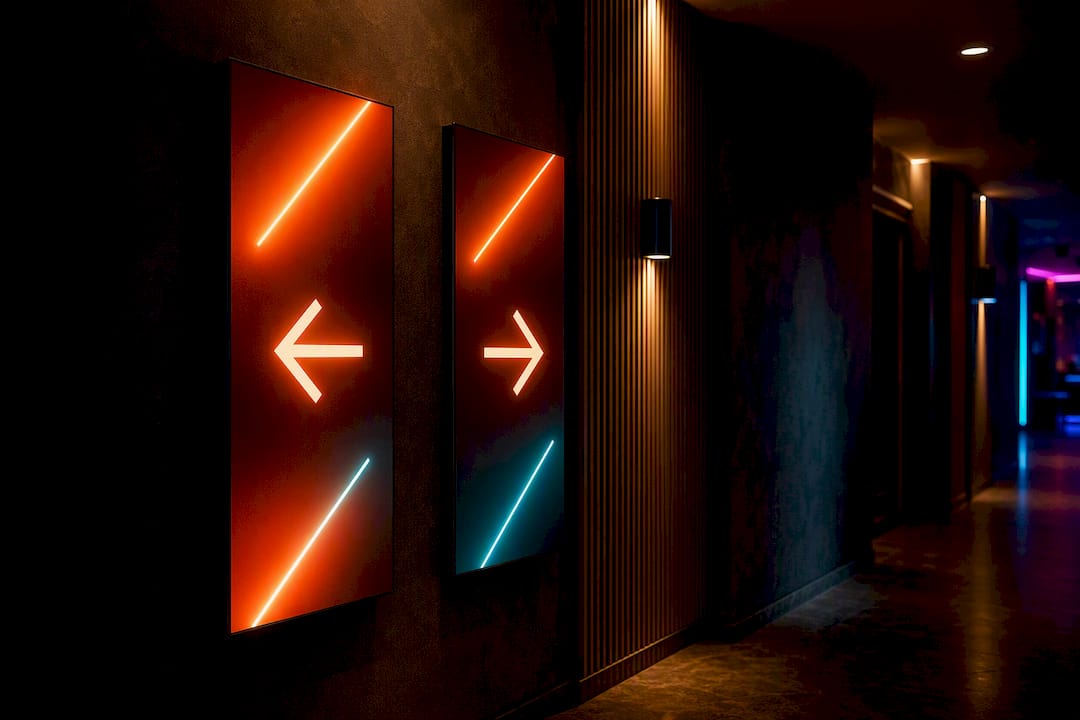
Operational displays solve the boring but expensive problems: wait times at the door, VIP list status, and wayfinding to bathrooms or coat check. These reduce the number of times a guest has to flag down staff, which frees your team to focus on service instead of directions.
A pilot doesn’t need to touch all four categories at once. Start with one countdown screen and one promotional rotation, then expand once you see which content actually holds attention.
What’s the Business Case for Investing in Dynamic Displays?
The financial argument for dynamic displays rests on three levers: engagement, monetization, and operational savings.
Engagement outcomes show up as longer dwell time, more social shares, and repeat visits. Academic research on digital platform features and fan engagement found that different features drive different engagement behaviors, some encourage “bonding” (loyal repeat visitors), others encourage “bridging” (new audiences discovering the venue through shared content). That distinction matters when you’re deciding whether to prioritize a loyalty-focused screen or a social-wall activation aimed at attracting new guests.
Monetization is where displays start paying for themselves. Sponsors will pay for visibility on a DJ backdrop, entrance screen, or bar-back display, and ROI framing for nightclub LED installs suggests payback periods under a year when that inventory is packaged and sold deliberately rather than treated as an afterthought. Signstream’s own ad exchange marketplace lets venues cross-promote with other local businesses, turning idle screen time into a second revenue line.
Operational savings come from cutting print costs and update lag. No more reprinting drink menus every time a price changes, no more taping paper signs over outdated event flyers.
Here’s a simplified example of how the numbers might play out for a mid-size club running one sponsored screen:
Line Item | Estimate |
Monthly sponsorship revenue (one screen) | a range of typical values depending on venue and market |
Monthly print/collateral costs eliminated | a range of typical savings depending on venue |
Typical hardware and CMS payback window | a payback period often achieved within about a year |
Additional lever | Cross-promotion revenue via ad exchange |
These figures are illustrative, not a guarantee. Actual numbers depend on venue size, sponsor demand, and how aggressively you sell the inventory. The digital signage and club revenue guide breaks down packaging strategies in more detail if you want to model your own numbers.
How Should Clubs Design Content for Dark, Fast-Moving Rooms?
Nightclub environments punish bad design choices fast. A menu that reads fine in daylight can become unreadable under blacklight and fog.
Prioritize contrast over subtlety. Bright text on a dark background reads at a glance; pastel-on-white gets lost entirely in low light.
Limit motion to one focal point. A screen with three moving elements competing for attention reads as noise, not spectacle.
Use bold, oversized typography. Guests are scanning screens from across a room, often through a crowd, so small fonts are wasted effort.
Time content to the room’s energy. Countdown and set-based content work during peak hours; wayfinding and operational info work better during quieter stretches like early doors or last call.
Balance spectacle with utility. Guests accept promotional content far more readily when it feels relevant to the moment, a cocktail special during a lull lands differently than the same ad blasted during a headline set.
Track a few simple KPIs to know if your content mix is working: dwell time near screens, QR scan rate, and the lift in a promoted item’s sales during its display window. Test one variable at a time, like swapping a static promo graphic for an animated one, so you can actually attribute the change.
Pro Tip: Run your promotional content past a phone camera before launch. If it looks blown out or banded on video, your guests’ Instagram Stories will look the same way.
What Should Clubs Budget for Implementation?
Before signing anything, walk through a short decision checklist:
Rental vs. permanent purchase, tied to how often your layout or venue concept changes.
Indoor-rated panels vs. outdoor-rated units if you have a patio or rooftop space.
Whether you need a dedicated control room or can run everything from a manager’s laptop or phone.
Sync requirements with your existing lighting rig or broadcast cameras, especially for livestreamed events.
Installation involves more than mounting a screen. Power capacity, rigging for suspended LED walls, and cooling for enclosed booth areas all affect both cost and screen lifespan. For permanent nightclub installs, encapsulation quality matters, a modest premium on humidity and smoke resistance now prevents expensive field failures later, especially near bars and smoke machines.
Ongoing costs break down into four buckets:
CMS subscription fees, typically billed per screen or per channel.
Content production, whether in-house or outsourced.
Maintenance and occasional panel replacement.
Insurance coverage for the hardware, particularly for rigged or suspended installs.
To set sponsor rates, start by counting your actual sellable inventory: screen count, average nightly foot traffic, and dwell time near each placement. A DJ backdrop during peak hours commands a different rate than a wayfinding screen near the coat check, and pricing should reflect that difference in attention value.
What Does the Research Say About Screens and Member Engagement?
Publisher-reported outcomes back up what the design principles above predict. Signstream clients have reported a 25% rise in class attendance after switching from static schedules to dynamic displays, a result that tracks with the broader engagement research on platform features.
Digital platform features don’t produce one uniform effect on engagement. Some features build “bonding” behavior among existing regulars, while others build “bridging” behavior that pulls in new audiences who discover the venue through shared content. Choosing the right feature set depends on which outcome you actually want.
That distinction, drawn from academic research on digital platform features, should guide which features you prioritize first if you’re running a pilot on a limited budget:
Scheduling and templates deliver the fastest operational win, cutting print costs and update lag immediately.
Analytics tell you which screens and content actually hold attention, so you’re not guessing at renewal time.
QR capture builds a remarketable list from foot traffic you’re already paying to attract.
Start with whichever feature solves your most expensive current problem, not the one that looks flashiest in a demo.
What’s the Real Takeaway for Club Operators Weighing This Investment?
The research here points to a conclusion most vendor pitches skip: screens aren’t a marketing add-on, they’re an operations tool that happens to also sell things. The clubs getting the best results treat displays the way they’d treat a POS system, something that needs to work reliably first, then gets optimized for revenue second.
Where conventional advice falls short is in treating engagement and monetization as separate goals. They’re not. A countdown screen that keeps guests on the floor longer is also a screen with more eyeballs to sell to a sponsor. The academic distinction between bridging and bonding engagement matters here because it tells you which screens to sell as “reach” inventory versus “loyalty” inventory, and sponsors pay differently for each.
If you’re planning a pilot, resist the urge to wire up every integration on day one. Start with one or two screens solving your worst operational headache, whether that’s menu updates or wait-time confusion, then layer in monetization once you have real dwell-time data to sell against.
How Signstream Makes Dynamic Displays Simple to Run
Managing screens shouldn’t require a technician on call every time a menu or event lineup changes. Signstream lets you update unlimited screens instantly from any device, no coding, no waiting on a vendor, which matters most during a busy Friday night when your DJ lineup shifts an hour before doors.
Beyond keeping content current, Signstream’s platform gives you the analytics to see what’s actually working: which screens hold attention, which promos move product, and which placements sponsors will pay for. The ad exchange marketplace lets you cross-promote with other local businesses and turn unsold screen time into revenue instead of dead air. If you want to see how the CMS, scheduling, and remote control actually work before committing, check out how our digital signage platform works and start mapping out your first pilot screen this week.
Frequently Asked Questions
Why do clubs use dynamic displays instead of static signs? Clubs use dynamic displays because content updates automatically through a CMS, cutting print costs and letting managers change menus, lineups, or promotions in seconds instead of waiting on new printed materials.
How much does a dynamic display system cost for a club? Costs vary by screen size, quantity, and whether you rent or buy hardware outright. Ongoing CMS subscription fees, content production, and maintenance are the main recurring costs beyond the initial installation.
Can dynamic displays actually generate revenue for a venue? Yes. Sponsors will pay for visibility on high-traffic screens like DJ backdrops or entrance displays, and platforms with an ad exchange marketplace let venues sell unsold inventory to other local businesses.
What screen type works best for a nightclub environment? LED walls handle large-format visuals behind stages well, while LCD panels suit menus and wayfinding. Choose based on brightness needs, viewing distance, and whether the screen will appear on camera or livestream footage.
How long does it take for a dynamic display to pay for itself? Payback windows often fall under a year when screens are actively monetized through sponsorships or ad placements, though the exact timeline depends on venue size and how aggressively that inventory gets sold.
Sources
Recommended
Comments